
Saxophone Lessons in Longmont, CO
Doug Carmichael teaches saxophone at Mojo's, a Colorado native who's been playing sax since age 11.
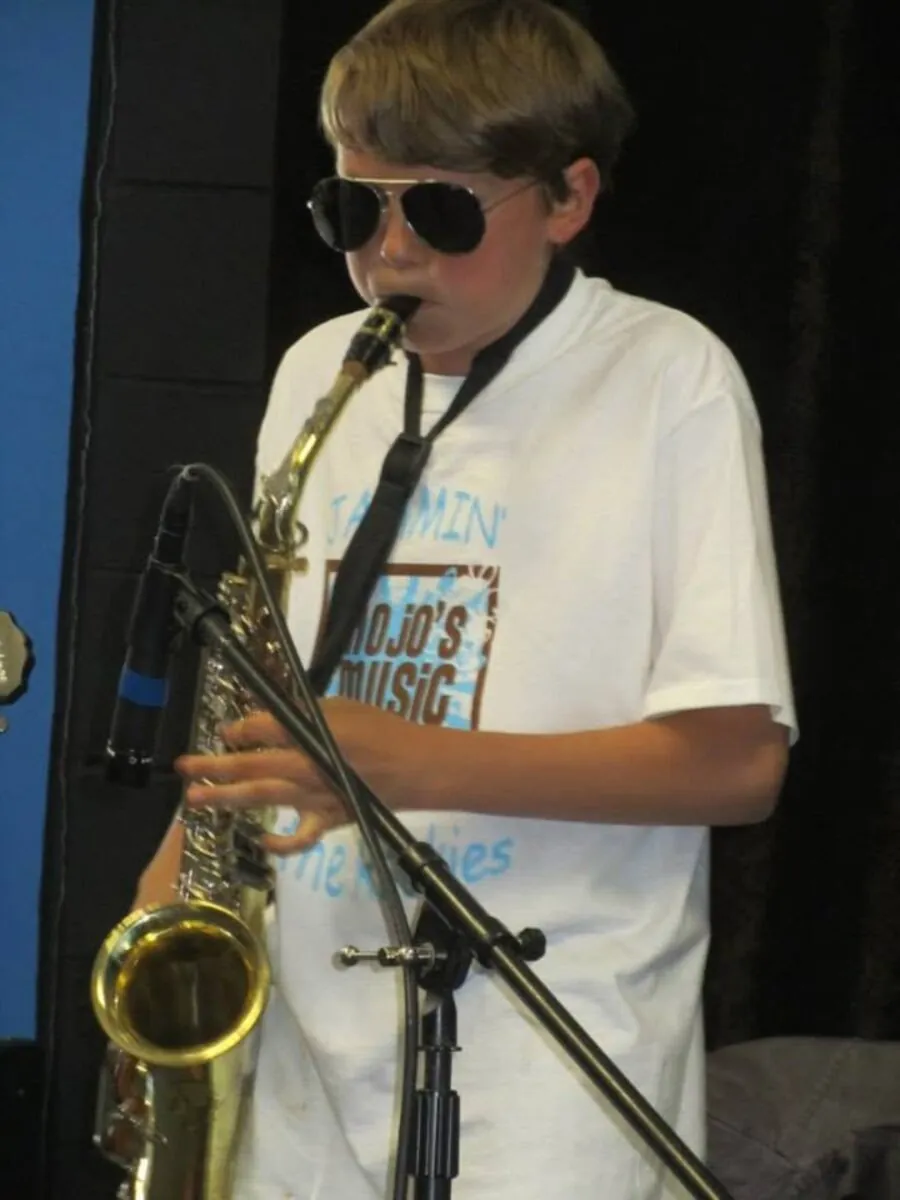
Why Learn Saxophone at Mojo's
Doug Carmichael holds degrees from CU Boulder and has taught private saxophone lessons for over 30 years. Whether the goal is jazz band, marching band, or just learning to play, lessons are built around the student's own interests.
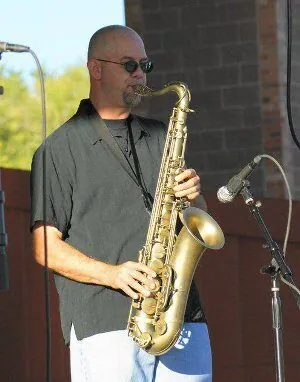
Doug Carmichael
A Colorado native who started saxophone at age 11. He holds degrees from CU Boulder and has taught private saxophone lessons for over 30 years.
A Saxophone Program for Every Age, Ability and Style
Few instruments rival the raw expressive power, warm soul, and vocal energy of the saxophone. From the smokey undertones of a jazz club to the punchy, electrifying riffs of rock and pop horn sections, the saxophone feels less like a machine and more like an extension of your own voice. Because fingerings are logical and sound production starts right at the reed, students can begin playing recognizable tunes much sooner than they expect.
Universal Foundations for Every Saxophonist
Whether you choose alto, tenor, or baritone sax, our lessons begin by establishing healthy, effortless mechanics that keep playing comfortable and squeak-free:
- Balanced Embouchure & Reed Control: Cushioning the lower lip over the bottom teeth while resting top teeth securely on the mouthpiece, drawing the corners of the mouth inward (like a drawstring) to create a firm seal without biting down on the reed.
- Core Diaphragmatic Breath Support: Fueling the horn with deep, supported air from the abdomen rather than shallow chest breaths, producing a full, warm tone that remains pitch-stable at any volume.
- Neck-Strap Ergonomics & Body Alignment: Setting the neck strap so the mouthpiece swings directly into your mouth without hunching, tilting, or craning the neck, allowing your arms and shoulders to stay completely relaxed.
- Light-Touch Finger Framing: Keeping the hands curved over the mother-of-pearl keys (like holding an apple), striking keys with light, agile finger pads to eliminate hand tension and build rapid dexterity.
- Clean Reed Articulation: Touching the very tip of the tongue gently to the tip of the reed using soft, vocalized syllables (“dah” or “tah”) to launch clean note attacks without choking the sound.
- Internal Voicing & Smooth Octave Leaps: Adjusting the shape of the oral cavity and throat (transitioning between “oh” and “ee” vowel shapes) so the horn transitions smoothly into the upper register with the octave key without squeaking.
Exploring Saxophone Across Different Styles
Once your core sound and breath support are locked in, lessons branch into the specific musical worlds where the saxophone shines brightest:
Jazz & Bebop: Swing, Sub-Tone, and Improvisation
In jazz, the saxophone takes center stage. Students learn to shape notes with personal swagger:
- The “Sub-Tone” Technique: Dropping the jaw slightly down the reed to create that dark, velvety, breathy whisper popularized by legends like Ben Webster and Stan Getz.
- Swing Articulation & Scooping: Bending pitch up into notes and using tongue-accent patterns to make eighth-note lines bounce with authentic swing feel.
- Improvisational Frameworks: Translating ear-training into real-time solos using the blues scale, pentatonics, and standard jazz chord changes.
Rock, Funk, and R&B: Power, Growl, and Bite
When playing in high-energy rhythm bands, the sax must punch through electric guitars and synthesizers:
- Growling & Flutter Tonguing: Humming or rolling an “R” in the throat while blowing to give the tone a gritty, aggressive edge.
- The “Altissimo” High Register: Unlocking screaming notes far above the standard high F# key through advanced throat voicing and specialized harmonic fingerings.
- Rhythmic Punch & Fall-Offs: Dropping notes off precipitously and locking tight staccato accents into the drummer’s groove.
Classical & Concert Band: Pure Resonance and Precision
Classical saxophone training focuses on refined elegance and pristine tonal purity:
- Centered, Choral Tone: Eliminating edge and buzz from the sound to produce a round, warm acoustic timbre that blends seamlessly with woodwinds and strings.
- Controlled Jaw Vibrato: Adding a smooth, vocal oscillation to sustained notes with subtle, metered jaw motion.
- Virtuosic Velocity: Polishing scales, arpeggios, and dynamic control from a whisper (pianissimo) to a commanding hall-filling projection (fortissimo).
Whether you want to pick up the alto sax for school band or jump straight into tenor jazz solos, schedule your trial lesson today and discover how easy it is to find your own voice on the saxophone.
"I was a student at Mojo's a few years ago and I had an absolutely fabulous experience. Paul and Jessica are great teachers and I look forward to coming back soon."
Read more reviews on Google Reviews and Facebook Reviews.